
PROGRAMME
Two Thousand Maniacs!
Herschell Gordon Lewis, USA, 1964, 16mm, 1.85, colour, 87′
THU September 18 / 19.00 / Slovenian cinematheque
 Between Blood Feast (1963) and Color Me Blood Red (1965), and well beyond Hollywood mainstream and good taste, notorious B-movie producer David F. Friedman and pioneer goremeister and drive-in king H.G. Lewis created the second instalment of “The Blood Trilogy”. Forsaking the milieu of nudie-cuties, their threesome of original ‘splatter’ films invented a new graphic expression of gore for the horror genre, while this bloody parody of southern hospitality brought the narrative formula of Rural Gothic into exploitation. Read more…
The Texas Chain Saw Massacre
Tobe Hooper, USA, 1974, 16mm, 1.78, colour, 83′
THU September 18 / 21.00 / Slovenian cinematheque
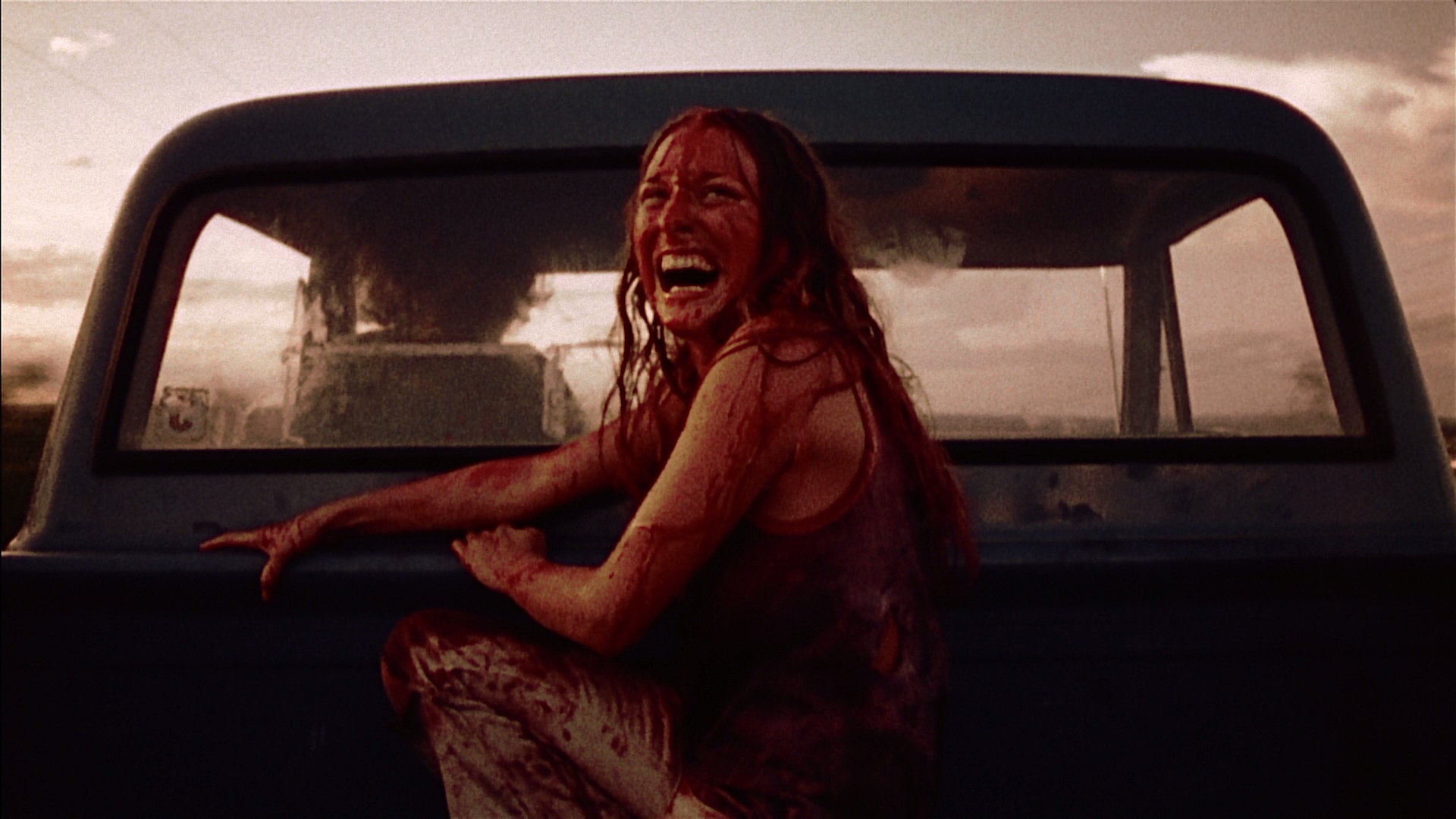 Tobe Hooper’s infamous cult slasher The Texas Chain Saw Massacre, often described as the best and most shocking horror film in cinema history, belongs to the brilliant generation of late-60s and early-70s genre flicks (Night of the Living Dead, The Last House on the Left, The Exorcist) whose subversive potential, socio-political commentary, and graphic violence set a new standard in horror filmmaking. Read more…
Thou Shalt Not Kill… Except aka Stryker’s War
Josh Becker, USA, 1985, 35mm, 1.66, colour, 84′
THU September 18 / 23.00 / Slovenian cinematheque
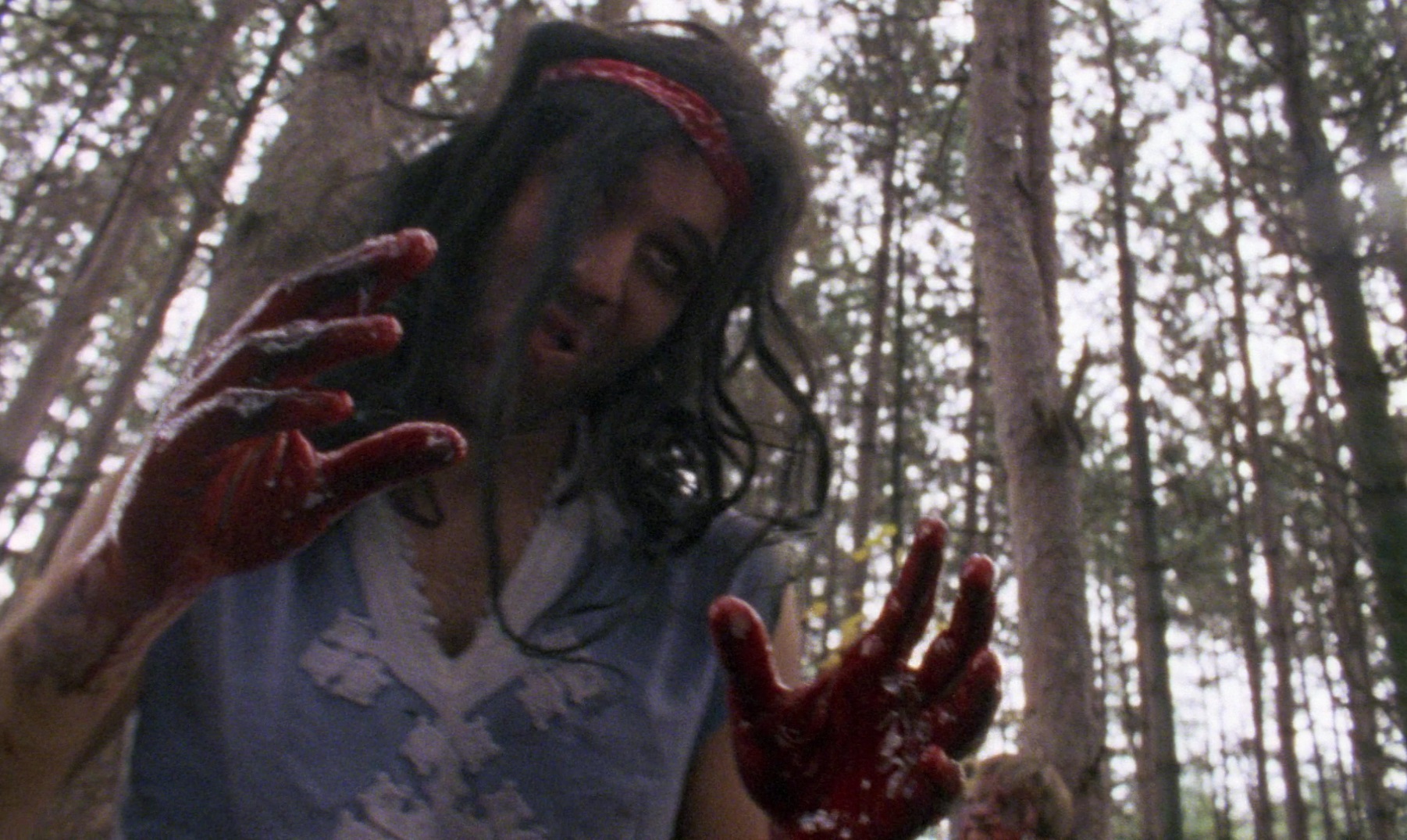 Becker’s ultra-low-budget and no less hilarious action-horror trashsploitation was made by many of the same DIY creative team who bought us Raimi’s cult classic The Evil Dead (1981), including Bruce Campbell and producer Scott Spiegel who co-wrote the story, while most of the interiors were shot in Campbell’s garage in suburban Detroit, with Raimi himself taking the part of the messianic cult leader, or as he puts it, “I’m the Except.” Read more…
High Tension Haute tension
Alexandre Aja, France, 2003, 35mm, 2.35, colour, 91′
FRI September 19 / 19.00 / Slovenian cinematheque
 An indisputable gem of the raw and realistic, transgressive and wittily misanthropic new wave of French (and French-speaking Belgian) horror film, the genre strain of “New French Extremity”, which brought us some of the best horror films and filmmakers of the new millennium: Martyrs (Pascal Laugier, 2008), À l’intérieur (Alexandre Bustillo & Julien Maury, 2007), Frontière(s) (Xavier Gens, 2007), Ils (David Moreau & Xavier Palud, 2006), Calvaire (Fabrice Du Welz, 2004), Dans ma peau (Marina de Van, 2002). Read more…
The Wicker Man: The Final Cut
Robin Hardy, UK, 1973, DCP, 1.85, colour, 93′
FRI September 19 / 21.00 / Kinodvor
 The low-budget (oc)cult British horror classic The Wicker Man, the brainchild of actor Christopher Lee (wanting to break from the Hammer films’ Dracula typecasting), independent producer Peter Snell of British Lion and writer Anthony Shaffer (of Hitchcock’s Sleuth and Frenzy), was originally released in UK as an 87-minute B feature to Nicolas Roeg’s 1973 Don’t Look Now. A film print of Hardy’s “long version” (displaced by Roger Corman as the legend goes) is most likely lost forever. The digitally restored “final cut” was created based on a 35mm “middle version” release print recently found at Harvard Film Archives. Read more…
Wake in Fright
Ted Kotcheff, Australia/USA, 1971, DCP, 1.85, colour, 108′
FRI September 19 / 23.00 / Kinodvor
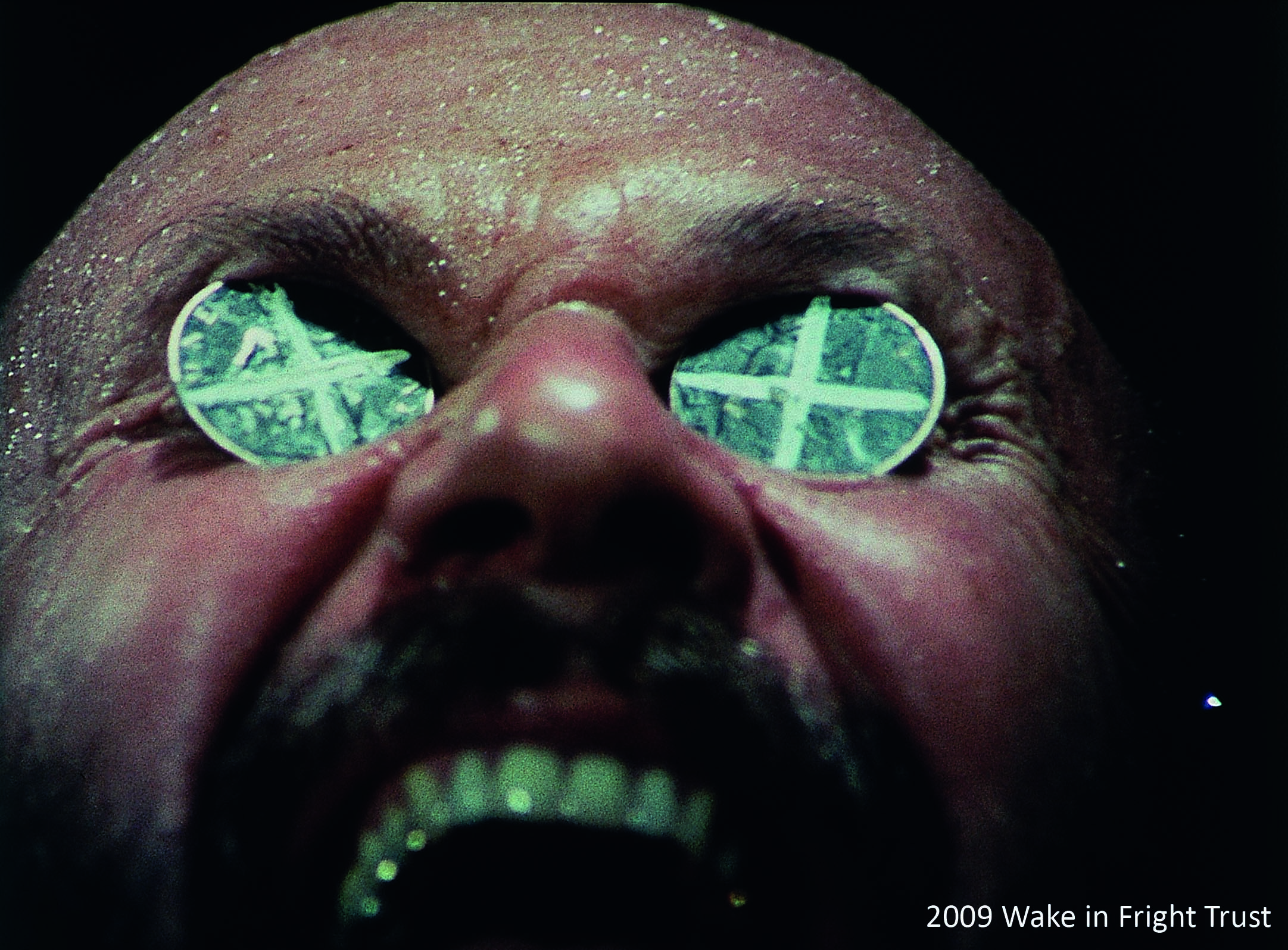 Alongside Mad Max (George Miller, 1979) and Walkabout (Nicolas Roeg, 1971) widely acknowledged as one of the seminal films in the development of modern Australian cinema. Together with Antonioni’s L’Avventura (1960) the only film to be screened twice in Cannes (in 1971 premiering in official competition, in 2009 upon the request of Martin Scorsese in Cannes Classics section), itis a prime example of what we like to call films that transcend generic boundaries and defy classification. But one thing is certain: Wake in fright is the ultimate masterpiece of the cinema of bizarre. Forget Lynch. The most sun-scorched cinematic nightmare was made by Ted Kotcheff. “Sweat, Dust and Beer… There’s Nothing Else Out Here Mate!”
Believed lost for many years, Wake in Fright has been painstakingly restored by Australia’s National Film and Sound Archive and AtLab Deluxe. Read more…
The Devil’s Rejects
Rob Zombie, USA/Germany, 2005, 35mm, 1.85, colour, 109′
SAT September 20 / 16.45 / Slovenian cinematheque
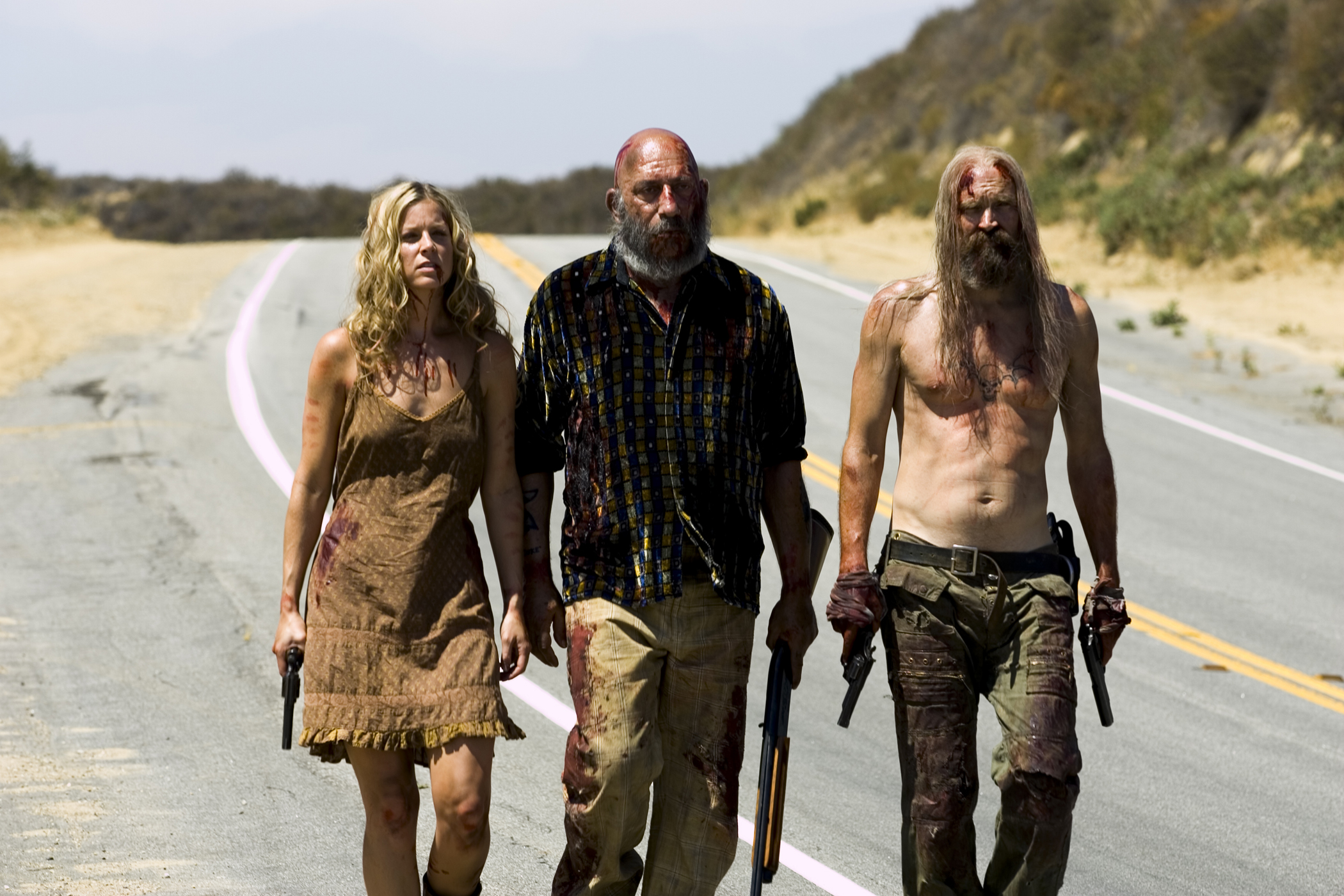 In the opening showdown a posse of armed-to-their-teeth State Troopers descends upon the rundown shack of the crazed homicidal rednecks, the Firefly family. Rufus is killed and Mother Firefly is taken into custody, while Otis (Bill Moseley) and Baby (Sheri Moon Zombie), who look like Bonnie and Clyde if they had grown up at The Texas Chain Saw slaughter-farm, escape. Reunited with their father, Captain Spaulding (Sid Haig), they hit the road for a retributional rampage in a sequel to Rob Zombie’s House of 1000 Corpses (2003), swapping night for day and the gloomy Firefly family dungeons for the red hot asphalt. Read more…
Ravenous
Antonia Bird, UK/USA/Czech Rep., 1999, 35mm, 2.35, colour, 101′
SAT September 20 / 19.00 / Slovenian cinematheque
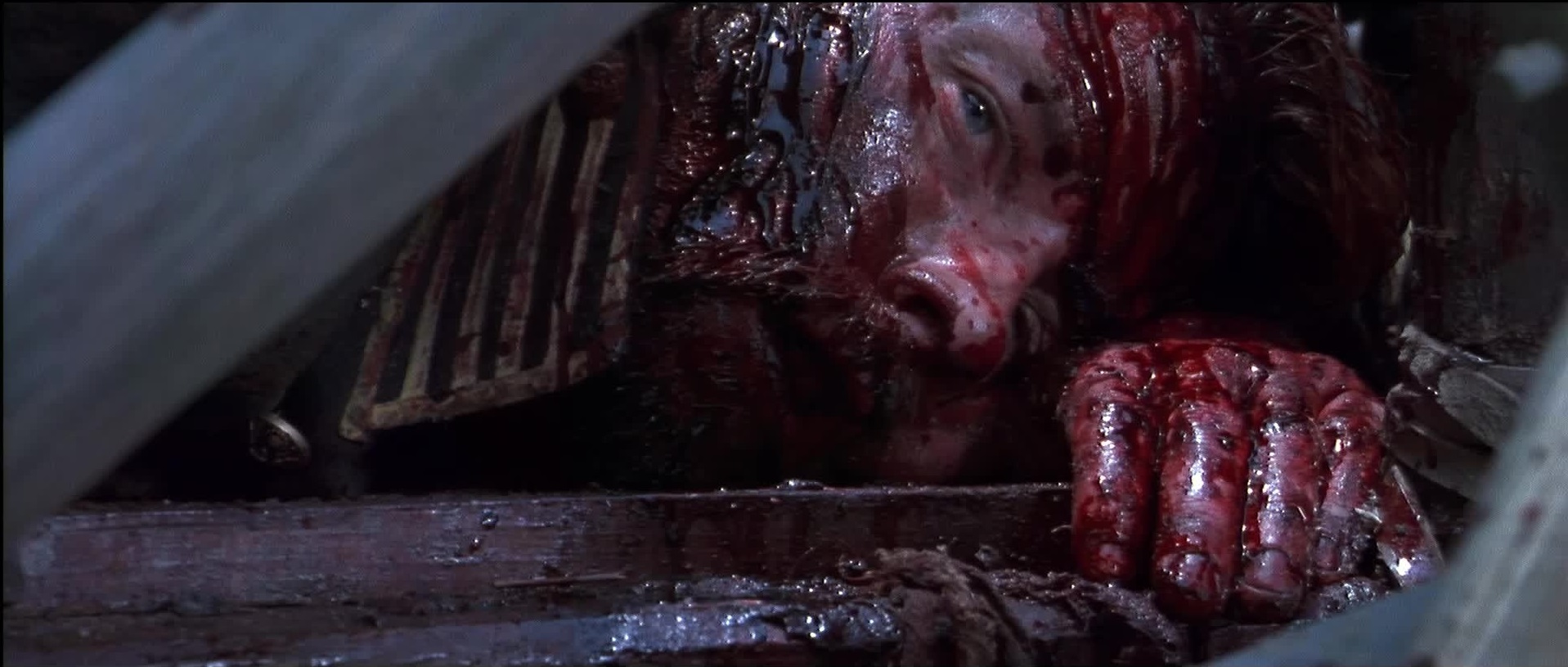 A criminally overlooked hybrid of black comedy, horror and western (with a thoroughly enjoyable final showdown to boost) by director Antonia Bird is certainly a unique addition to the cannibal subgenre: seldom do we see a mainstream film (in view of its star cast, high production values, brilliant photography and score) that takes the maxim “you are what you eat” so deliciously literally. Colonel John Boyd (Guy Pearce) is dispatched to the remote outpost of Fort Spencer, California. And it is not long before a bedraggled stranger named Colquhoun (Robert Carlyle) arrives, telling of a stranded wagon train in the mountains and the acts of cannibalism among the survivors. Since some of them might still be alive, Boyd and his detachment of soldiers mount an expedition into the wilderness. Read more…
The Hills Have Eyes
Wes Craven, USA, 1977, 35mm, 1.37, colour, 89′
SAT September 20 / 21.00 / Slovenian cinematheque
 An epitome of American suburbia, The Carter family, are on their way to California, when they skid off the road and crash. But while stranded in the isolated Nevada desert, they are not alone … A timeless classic of ‘survival horror’ (spawning sequels and remakes) by the controversial Wes Craven, then an uncompromising iconoclast and a fearless independent, continues to draw the battle lines for the class war its director has set forth in his brutal debut The Last House on the Left (1972), replacing a generational clash with a family duel – to the death, and other, more gruesome fortunes. Read more…
Cannibal Ferox aka Make Them Die Slowly
Umberto Lenzi, Italy, 1981, 35mm, 1.85, colour, 93′
SAT September 20 / 23.00 / Slovenian cinematheque
 Umberto Lenzi’s ultra-exploitational ‘splatter’, which manages to break every existing taboo of cultural, sexual and all-round political correctness, the boundaries of good (and good bad) taste, not to mention cruelty to animals, is at once the apotheosis and the final breath of the infamous Italian cannibal cycle of the 70s and early 80s which originated with Lenzi’s own Il paese del sesso selvaggio aka Deep River Savages in 1972 and reached its zenith with Ruggero Deodato’s notorious Cannibal Holocaust (1979). The dormant subgenre was rightfully awakened last year by Eli Roth whose The Green Inferno is a full-blooded ode to the cannibal subgenre with transgressive zeal and humorous esprit worthy of the originals.
Read more…
Deliverance
John Boorman, USA, 1972, DCP, 2.35, colour, 110′
nedelja 21. 9. / 19.00 / Kinodvor
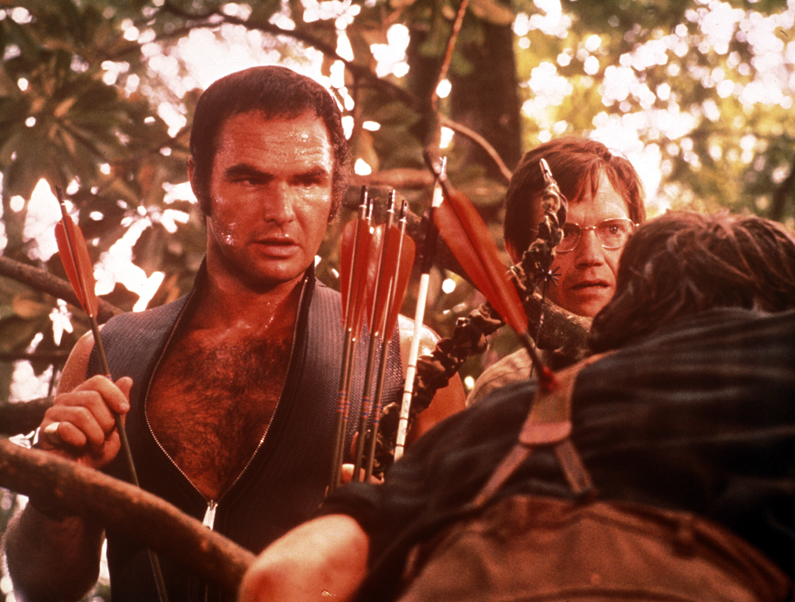 Although John Boorman’s great cinematic classic transcends the boundaries of genre filmmaking, it pioneered the ‘urbanoid’ horror tradition (from rural slasher slaughterfests to 70s ‘rape-and-revenge’ films) by depicting the urban fear of countryside gone wild (whatever it may symbolize) without shying away from any form of human violence and violation. In fact, and as Carol J. Clover puts it: Deliverance is the ‘influential granddaddy’ of that tradition.
Read more…